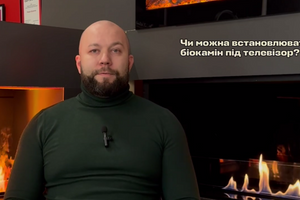
Bio or electric fireplace: which to choose? What is the difference?

Both bio fireplaces and electric fireplaces have many advantages, and it is very hard to say definitively that one is better than the other. It all depends on the owner's preferences and the purpose of installing the fireplace. Let's try to objectively cover all the pros and cons of each type.
Let's start with the strengths of bio and electric fireplaces:
- No permits are required to use and install bio and electric fireplaces.
- The fireplaces are easy to transport.
- Any builder can install them, no special skills are needed
- No chimney is required
- Easy maintenance
- They heat the room
- They create coziness and a pleasant atmosphere :)
- Cheaper and simpler than wood-burning fireplaces
- Can be installed in apartments, houses, offices, restaurants, loggias, terraces and other premises
- A wide range of models to suit any style
There are many advantages. I would especially like to highlight the ability of bio and electric fireplaces to heat a room. Neither type can be used as the main source of heating! At the same time, the fireplaces release quite a lot of thermal energy during operation (efficiency up to 95%). Thanks to the high heat output, you can quickly warm up a room in the cold season. Also, if your heating radiators have thermostatic heads, they will automatically shut off the radiators while the fireplace is running, saving you heating costs.
Both types of fireplaces have quite a few advantages, but what are the disadvantages?
Let's start with the disadvantages of electric fireplaces.
- For many people choosing between an electric fireplace and a bio fireplace, a significant drawback is the artificial (not real) fire. Although, as technology develops, flame imitation is becoming more and more like real fire, and even the crackling of the flame is imitated, people still prefer a real flame.
- Pay attention to electricity consumption. So that your electricity bill does not come as a surprise after connecting the electric fireplace, ask the consultant how much power the model you have chosen consumes.
Disadvantages of bio fireplaces:
- Let's start right away with budget, cheap bio fireplaces: they are cheaper only because thinner metal and cheap materials are used in their construction!!! Cheap bio fireplaces can deform from overheating during prolonged use. Ask the consultant about the metal thickness of the fuel block and body of the bio fireplace. If it is less than 2 mm, do not take the risk! At best, you risk being disappointed with your purchase.
- Bioethanol. The cost of bioethanol is quite high. Quality bioethanol costs from 1,550 UAH per 5 L. With consumption of 0.3 to 1.5 liters per hour, an hour of bio fireplace operation costs approximately 93–465 UAH.
At the same time, there are cheaper types of fuel for bio fireplaces on the market, which can have consequences: a pungent smell and various impurities that will contaminate the fuel block over time, which can affect performance and even burning, and the fireplace may even start "spitting", which is already dangerous from a fire safety point of view.
BUY ONLY THE FUEL RECOMMENDED BY THE BIO FIREPLACE MANUFACTURER!!!
You wouldn't fill your Lamborghini with A-76 or A-92 fuel, would you? :)
In this article, I have tried to describe all the pros and cons of electric fireplaces and bio fireplaces. Both types deserve attention because they let us create comfort and coziness in our homes while sparing us complex and expensive preparatory work. I am sure each type will find its admirers. When you buy a fireplace from The World of Interior Solutions, you can count on competent advice and help in choosing the model that best matches your wishes!
We are always happy to see you!